📡Utility Telecom & Fiber
Telecom and Fiber Construction Grade Documentation Software
Log conduit invert elevations, vault elevations, and bore records for ROW as-built documentation that meets municipal permit and utility company requirements.
The Problem
!
Municipal ROW permits require as-built submittals
Most municipal right-of-way permits for fiber and conduit installation require as-built surveys documenting conduit location and depth. Without documentation, permits don't close and bonds aren't released.
!
Conduit depth must meet NEC and local requirements
NEC Article 352 and local ordinances specify minimum conduit depth at road crossings, sidewalks, and open trenches. Documenting compliance at installation time prevents costly disputes later.
!
Bore records scattered across multiple crews
Horizontal bore records — entry/exit elevations, bore length, depths — exist in crew foreman notebooks and are never consolidated into a project record.
How Sitemark Solves It
Built for Utility Telecom & Fiber Contractors
✓
Conduit Invert Logger
Log conduit top elevation and ground elevation at each vault, handhole, and test pit — depth auto-calculated with NEC pass/fail.
✓
Bore Log for Underground Crossings
Document each directional bore — entry/exit elevations, depth profile, pipe size, and soil conditions per crossing.
✓
Vault and Handhole Elevation Logger
Log vault rim and structure bottom elevations — verify drainage and frost depth compliance.
✓
Station-Based Route Logging
Log along the route in station format — standard for telecom ROW documentation.
✓
Linear Progress Tracker
Daily footage log — start station, end station, and footage installed. Track progress toward total route length.
✓
ROW As-Built Report
Professional ROW as-built with conduit depths, bore records, and vault elevations — formatted for municipal permit closeout.
Equipment
Top Equipment for Utility Telecom & Fiber
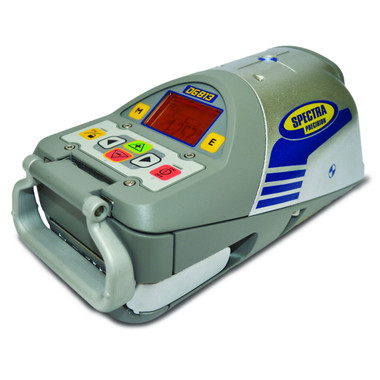
Shop all at Express Tools ↗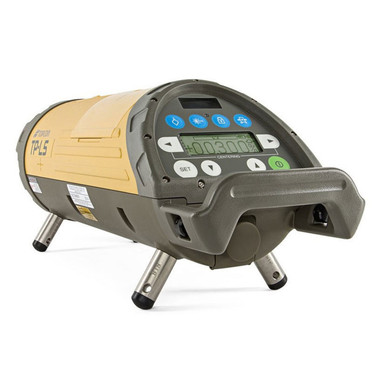
Free Tools
Free Utility Telecom & Fiber Calculators
Pipe Grade Calculator
Calculate conduit grade from invert elevations
Use calculator →
Invert Elevation Calculator
Calculate ending invert from grade and length
Use calculator →
Trench Volume Calculator
Excavation volume for conduit trench cross-sections
Use calculator →
Horizontal Bore Calculator
Bore depth profile for HDD road and rail crossings
Use calculator →
Standards & Compliance
Compliance Sitemark Helps You Document
NEC Article 352/353
National Electrical Code conduit burial depth requirements — 24 inches under roads, 18 inches in open trenches, 12 inches under residential slabs.
Local ROW Permits
Municipal right-of-way permits specify conduit depth, surface restoration, as-built submittal formats, and bond release requirements.
NESC
National Electrical Safety Code requirements for utility line clearances and burial depths.
State PUC Requirements
State Public Utility Commission requirements for telecom infrastructure documentation and as-built surveys.
FAQ
What NEC depth is required for buried conduit?
NEC Article 352 and 353 specify minimum burial depths for conduit: 24 inches under roads and driveways, 18 inches under general open areas, 12 inches under residential driveways not subject to truck traffic. Local ordinances may specify additional requirements — some municipalities require 36 inches under roads for fiber and telecommunications conduit. Always check your local permit requirements.
What do municipal ROW permits require for as-built documentation?
Municipal ROW as-built requirements vary significantly by city. Most require: conduit centerline location (horizontal), conduit depth at key points (road crossings, service laterals), vault and handhole locations and elevations, and bore records at all road crossings. Some cities require GIS-compatible submittals (KMZ/shapefile). Sitemark exports CSV and KMZ files suitable for most municipal submittal requirements.
How does the bore log feature work for telecom crossings?
Telecom horizontal bore crossings require documentation of entry and exit points, bore depth at the crossing centerline, pipe size, and bore length. Sitemark's bore log captures all of these — plus soil conditions and obstructions encountered. Each crossing is logged separately and linked to the project, exportable as part of the ROW as-built package.
Does Sitemark work for both aerial and underground telecom construction?
Sitemark's current features are optimized for underground construction documentation — conduit depth, bore records, vault elevations. For aerial construction (pole heights, attachment elevations), you can use the shot logger to document pole and attachment elevations, but the specific aerial construction documentation (make-ready, attachment agreements, loading calculations) is outside Sitemark's current scope.
How do we handle large fiber backbone projects covering hundreds of miles?
For large linear projects, create one job per major segment or city. Each job has its own route length, station range, and documentation. The linear progress tracker logs daily footage. Multiple crews can work different segments simultaneously under separate jobs. At closeout, generate as-built reports per segment and compile them for the final ROW permit closeout package.
Ready to modernize your utility telecom & fiber documentation?
Join contractors using Sitemark to replace paper logs, pass inspections faster, and generate professional as-built reports in seconds.
14-day free trial · No credit card · Field Pro from $19/mo