🍇Vineyard Development
Vineyard Development Grade Documentation — Row Cross-Slope and Drainage Verification
Document row cross-slopes, terrace grades, and sub-drain installation for USDA EQIP conservation practice compliance and professional vineyard development closeout.
The Problem
!
EQIP conservation practice documentation is required for funding
USDA EQIP cost-share payments require documentation of completed conservation practices — specific grades, drainage, and earthwork must be certified by a certified crop advisor or NRCS technician.
!
Drainage failure is catastrophic for vineyards
A vineyard row that traps water creates root zone saturation, promotes fungal disease, and can kill vines. Getting drainage grades right — and documenting them — is critical to the investment.
!
Terrace grades are complex to document
Terrace vineyard development involves multiple cut slopes, bench grades, and outslope drains — each requiring verification and documentation for the project record.
How Sitemark Solves It
Built for Vineyard Development Contractors
✓
Row Cross-Slope Verification
Log elevation shots at each end of vine rows — cross-slope calculated automatically, pass/fail vs 1–3% design spec.
✓
Terrace Grade Documentation
Log bench elevation, back-slope grade, and outslope drainage at each terrace — complete terrace profile record.
✓
Sub-Drain Grade Verification
Verify perforated drain pipe grades (minimum 0.5% fall to outlet) during installation — before backfill.
✓
EQIP Documentation Package
Generate NRCS-compatible as-built documentation for EQIP conservation practice payment requests.
✓
Irrigation System Grade Logging
Log main line and lateral irrigation pipe grades — verify minimum fall for drainage and air release.
✓
Phase-Based Documentation
Organize documentation by earthwork phase — clearing, rough grade, terrace cut, drain install, finish grade.
Equipment
Top Equipment for Vineyard Development
Shop all at Express Tools ↗

Free Tools
Free Vineyard Development Calculators
Drainage Slope Minimum
Minimum drainage slopes by surface type
Use calculator →
Grade % Calculator
Calculate row cross-slope percentage
Use calculator →
Earthwork Volume Calculator
Terrace cut/fill volume estimation
Use calculator →
Cut & Fill Calculator
Earthwork balance for vineyard terrace development
Use calculator →
Standards & Compliance
Compliance Sitemark Helps You Document
USDA EQIP CP 470
EQIP Conservation Practice 470 (Grassed Waterway) and related practices require documented grade compliance for payment certification.
NRCS Drainage Standards
NRCS Technical Standards specify minimum drain slopes (0.5% for perforated tile), outlet requirements, and installation documentation.
State Water Quality
State agricultural water quality regulations may require documentation of drainage practices that prevent runoff contamination.
Fire Road Standards
In fire-prone wine regions, estate road grades may be subject to CAL FIRE or local fire agency requirements for access and defensible space.
FAQ
What cross-slope is recommended for vineyard rows?
Vineyard rows typically require 1–3% cross-slope away from vine stems to prevent crown rot and root zone saturation. Steeper slopes can cause erosion between vine rows on unprotected soils. Terrace vineyards often target 2% outslope drainage while maintaining less than 15% back-slope to prevent terrace failure.
What is the minimum slope for vineyard sub-drain pipe?
NRCS Technical Standards require a minimum 0.5% slope for perforated agricultural drainage tile. This minimum ensures gravity flow to the outlet even in worst-case conditions. Flatter slopes cause sediment accumulation in the pipe over time. Sitemark verifies this during installation before the trench is backfilled.
How does EQIP documentation work for vineyard development?
USDA EQIP cost-share payments for vineyard conservation practices (drainage, erosion control, irrigation efficiency) require a Notice of Completion documenting that the practice was installed to NRCS standards. This typically includes photos, field measurements, and certification from a certified crop advisor or NRCS technician. Sitemark provides the grade verification records needed to support this certification.
Does Sitemark work for both flat and terrace vineyard development?
Yes. For flat vineyards, use the shot logger to verify row cross-slopes and main drainage grades. For terrace vineyards, the shot logger documents each terrace's bench elevation, back-slope, and outslope drain separately. Both formats are supported in the same job or can be organized as separate jobs by block.
Can we use GPS for vineyard surveys or do we need a laser level?
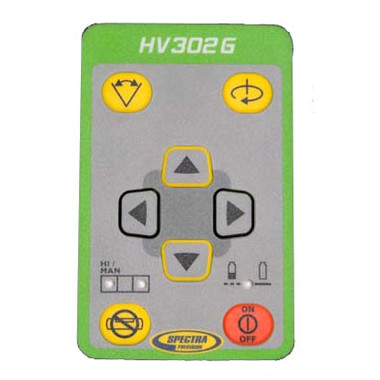
Both work. GPS rovers (Topcon HiPer HR, Leica GS18T) are efficient for large flat vineyards where you need to cover many rows quickly and capture coordinates. Laser levels (Leica Rugby 680, Spectra HV302G) are often easier and cheaper for verifying specific cross-slopes and terrace grades where high precision over a small area is more important than spatial coverage.
Ready to modernize your vineyard development documentation?
Join contractors using Sitemark to replace paper logs, pass inspections faster, and generate professional as-built reports in seconds.
14-day free trial · No credit card · Field Pro from $19/mo